
Insights
Feeling Nervous About Presenting? You’re Not Alone.
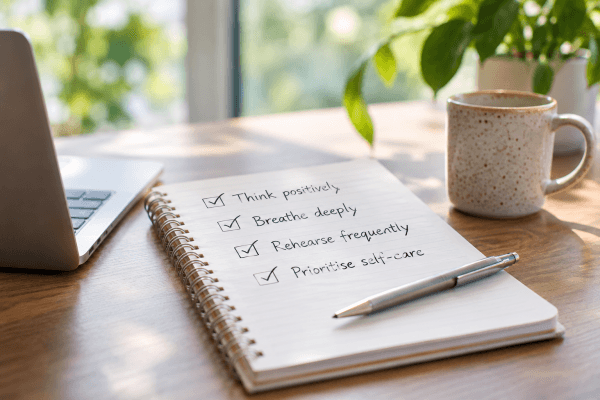
Four simple ways to build your confidence before speaking.
I’ve worked with lots of people over the years who are brilliant at what they do, know their subject inside out and have lots of valuable things to say. But ask them to stand up and present to a room full of people, and suddenly their confidence disappears.
It’s surprisingly common.
And it’s not just people who are new to public speaking. Even experienced presenters can find themselves feeling nervous, particularly when the stakes are high.
The important thing to remember is that confidence isn’t necessarily something you are born with. It’s something you can develop.
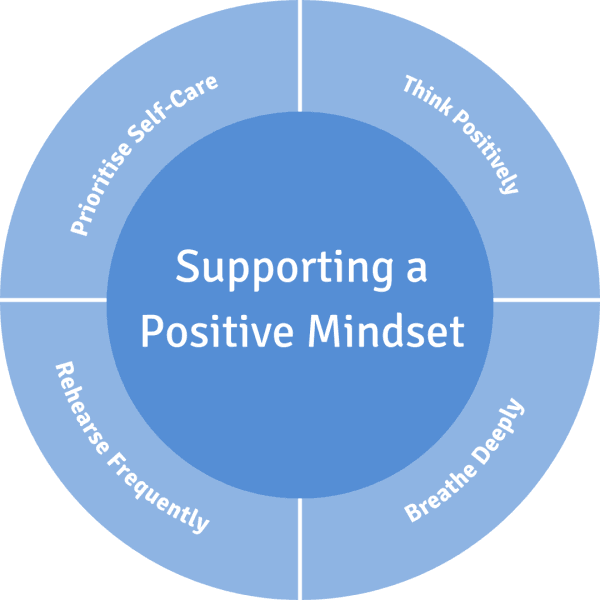
Here are four things I encourage clients to think about.
1. Think positively
It’s very easy to get caught up in what might go wrong.
What if I forget my words? What if someone asks a difficult question? What if I make a fool of myself?
Try turning those thoughts around.
Instead of focusing on how you might be judged, think about why you’re speaking in the first place. What do you want your audience to understand, remember or do and the value you are bringing to them?
Remember, they’re there to hear what you’ve got to say, not to catch you out.
2. Breathe deeply
When we’re nervous, our breathing often becomes quicker and shallower, sometimes we might even hold our breath, which can make us feel even more anxious.
Taking a few slow, deep breaths before you begin can help you feel calmer and more in control.
It’s such a simple technique, but one that’s easily overlooked when we’re busy worrying about everything else!
3. Rehearse frequently
There’s a big difference between knowing what you want to say and actually saying it out loud.
Practise your presentation as you intend to deliver it. Stand up, speak aloud and time yourself.
You don’t need to memorise every word. In fact, I’d generally encourage you not to. The aim is to become comfortable with your content so that you can focus on connecting with your audience.
4. Prioritise looking after yourself
This might seem an unusual addition to a presentation toolkit, but how you feel physically and mentally can have a real impact on your confidence.
Try to get a decent night’s sleep, avoid overdoing the caffeine and give yourself enough time to prepare.
Even a short walk before a presentation can help clear your head. I usually switch devices onto airplane mode before as I’m traveling to the venue to help me focus on what I’m about to do and who I’m speaking to.
One final thought
You don’t need to be fearless to be a good presenter.
Some nerves are perfectly natural. What matters is having the tools to manage them so that your audience can see and hear the best of you.
And if you’d like some help developing those skills, that’s exactly what I work on with clients every day.

Join our list
We send a really useful email to clients each month. You’ll be the first to receive tips, advice and insights to help you feel more confident, make impact and be yourself – consistently.
You’ll also be the first to know when we publish new educational articles and podcasts.